Also in Kalk Bay, Cape Town (and a few other places in Cape Town) I saw tables like this one, where beach drift wood makes up the below glass texture.
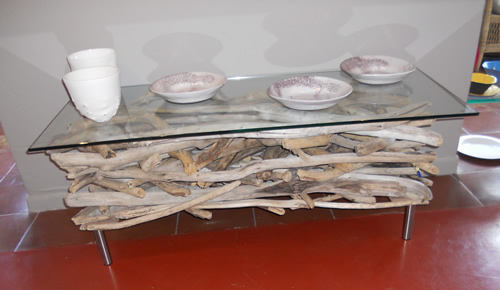
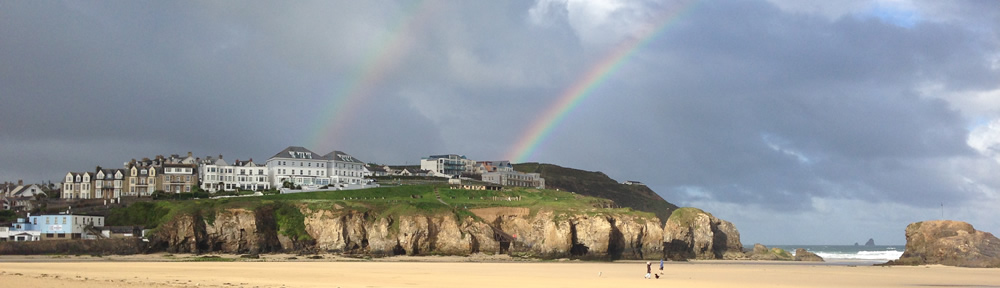
It’d be nice to slowly collect driftwood from Perranporth beach and make one.
Also in Kalk Bay, Cape Town (and a few other places in Cape Town) I saw tables like this one, where beach drift wood makes up the below glass texture.
It’d be nice to slowly collect driftwood from Perranporth beach and make one.
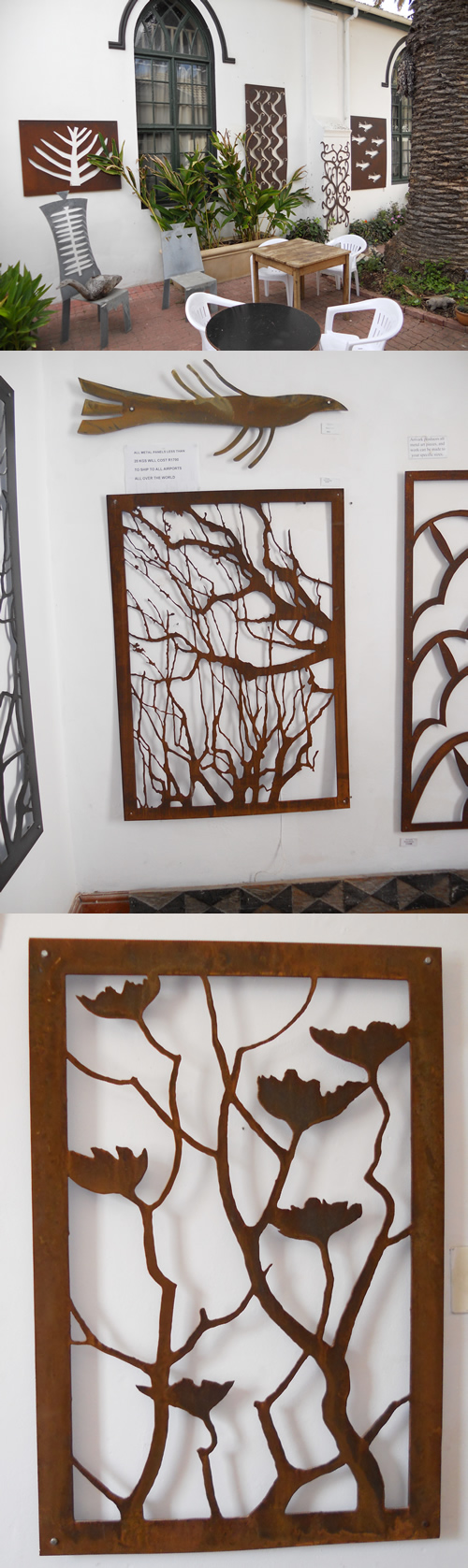
I saw these in an art gallery in Kalk Bay, Cape Town.
I like the idea of taking an old sheet of rusting metal. Chalk (or something) drawing on some shapes, cutting them out and then ending up with the cut outs to perhaps put in the house and the sheet with it’s holes put in the garden or some such.
Maybe dolphins, fish and flying fish ?



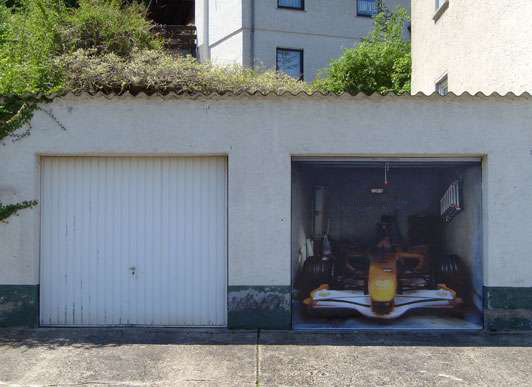
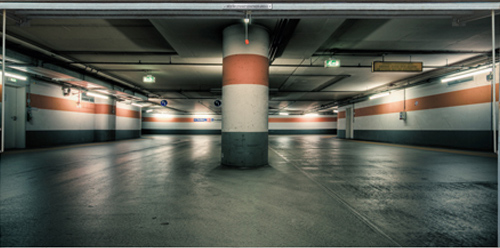
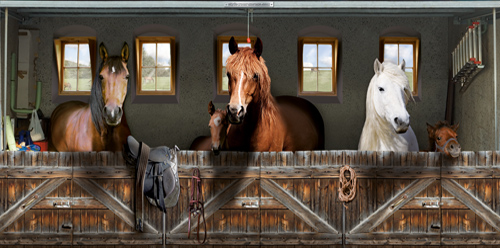
These “stick on” the garage door.
https://www.style-your-garage.com/en/Garage-poster
These stick over your garage door.
First a “customer pic of one” and then a few I liked:
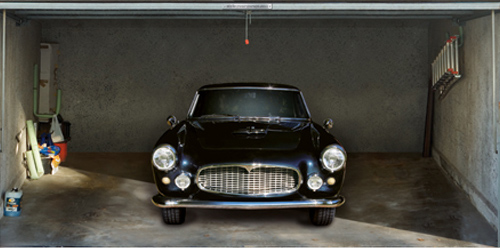
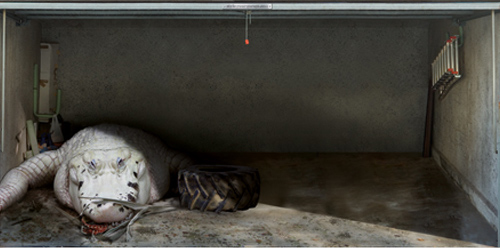
OR ?
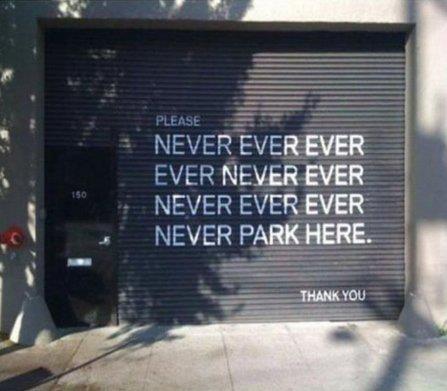
Get some local graffiti artists to paint the door and wall ?
OR ?
http://www.nasa.gov/audience/foreducators/plantgrowth/reference/Eng_Design_5-12.html
STEP 1: Identify the Problem — Students should state the challenge problem in their own words. Example: How can I design a __________ that will __________?
STEP 2: Identify Criteria and Constraints — Students should specify the design requirements (criteria). Example: Our growth chamber must have a growing surface of 10 square feet and have a delivery volume of 3 cubic feet or less. Students should list the limits on the design due to available resources and the environment (constraints). Example: Our growth chamber must be accessible to astronauts without the need for leaving the spacecraft.
STEP 3: Brainstorm Possible Solutions — Each student in the group should sketch his or her own ideas as the group discusses ways to solve the problem. Labels and arrows should be included to identify parts and how they might move. These drawings should be quick and brief.
STEP 4: Generate Ideas — In this step, each student should develop two or three ideas more thoroughly. Students should create new drawings that are orthographic projections (multiple views showing the top, front and one side) and isometric drawings (three-dimensional depiction). These are to be drawn neatly, using rulers to draw straight lines and to make parts proportional. Parts and measurements should be labeled clearly.
STEP 5: Explore Possibilities — The developed ideas should be shared and discussed among the team members. Students should record pros and cons of each design idea directly on the paper next to the drawings.
STEP 6: Select an Approach — Students should work in teams and identify the design that appears to solve the problem the best. Students should write a statement that describes why they chose the solution. This should include some reference to the criteria and constraints identified above.
STEP 7: Build a Model or Prototype — Students will construct a full-size or scale model based on their drawings. The teacher will help identify and acquire appropriate modeling materials and tools. See the design brief for a sample list.
STEP 8: Refine the Design — Students will examine and evaluate their prototypes or designs based on the criteria and constraints. Groups may enlist students from other groups to review the solution and help identify changes that need to be made. Based on criteria and constraints, teams must identify any problems and proposed solutions.
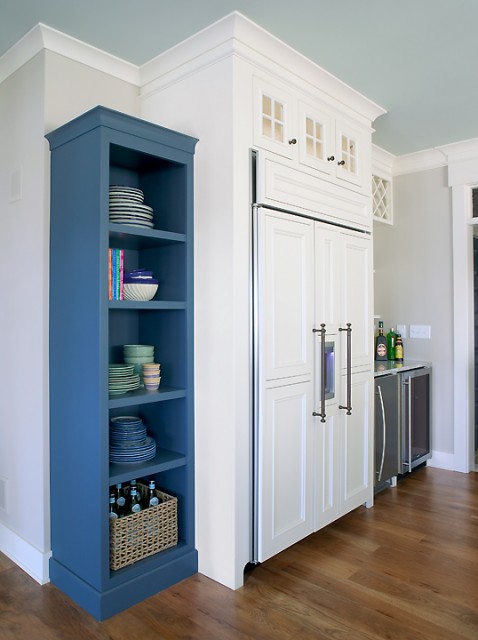
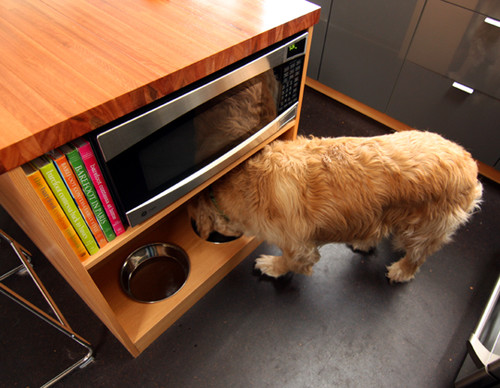
This idea and these colours could be used for both the kitchen and the coats etc. store area.
Colours wise, it seems to tie in with this property that I feel has a nice coastal look and feel through the materials and colours:

Having the kitchen island a stand out colour:


Interesting, how in this picture the white becomes the stand out item.
– I’m thinking the colour being the lower volume item(s) will work better at Silver Spray.

I must dig out the information I found on kitchen tops that are made from recycled materials.

I’ll have to get some designer, friends and family input on something this modern or a more traditional look such as:

Layout wise, still stuck on whether the island should have the cooker +/or sink +/or water source.
If it does, then this kitchen extractor hood looks great.

mmmmmm
It seems my friends are more inspired by the house having a hot tub than anything else!
Yes, it would be great fun, to sit in a hot tub outside the lounge or on the balcony at the top by the study. BUT can I find a way to be a bit eco about how to heat the water ? (Lets face it, having a big body of heated water outside, can’t be that efficient). So, ideas on the best way to achieve the idea:

I was talking to Malcom who built the end house and he said his top tip would be to not only “over spec” any windows and doors that face the sea, but also to make sure that they are installed in a way that when it’s windy the external weather pushes them tighter shut, rather than blowing them to create a gap through which wind +/or water can come.
He has since sold the house, but when he lived in it, he said you could see the windows flexing inward when there were strong winds and you could see and feel the whole house flexing. It was a timber frame construction and in order to keep as airtight a house as possible, this re-enforces the idea of going for brick or a steel frame.
A steel frame could then have panels between the steel made with wood, and sheeps wool or similar insulation to off-set some or all of the CO2 impact of the steel and other less eco building materials. The steel frame could be in such a way that, when the house is altered or taken down, it can be taken apart and recycled.
This is a follow on from posts about perhaps constructing the house with a steel (and not wood) frame to give better rigidity, given the exceptionally exposed site location.
Alan at Adaptahaus have got back that yes, we could work with them to:
So it looks VERY interesting and something we should come back to as we move the project along.
I don’t like the in floor coverings to the channels as per the picture below:
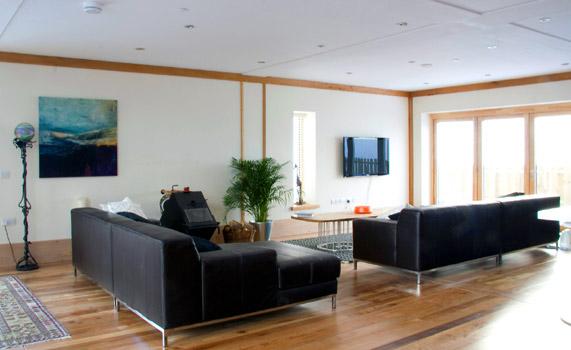
So I asked about this and got the reply that:
Thanks for your reply and, yes, the floor covering can be continuous. That is what I have suggested in the proposed build procedure. The conduit access throughout the building would give good access for a speedy installation of the services but all the finished floors would be laid over the covered over conduits once the services were installed.