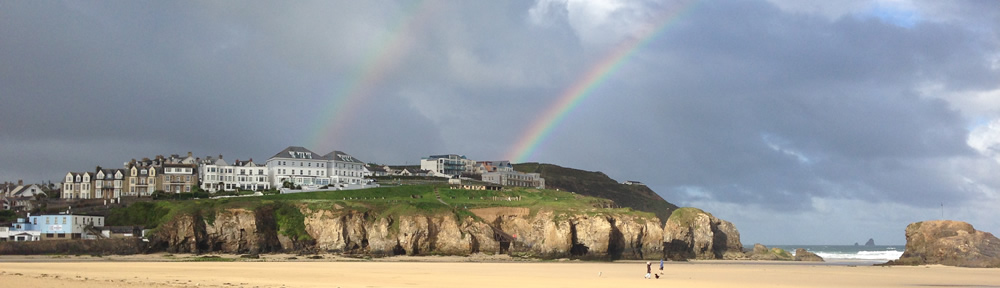
I was talking to Malcom who built the end house and he said his top tip would be to not only “over spec” any windows and doors that face the sea, but also to make sure that they are installed in a way that when it’s windy the external weather pushes them tighter shut, rather than blowing them to create a gap through which wind +/or water can come.
He has since sold the house, but when he lived in it, he said you could see the windows flexing inward when there were strong winds and you could see and feel the whole house flexing. It was a timber frame construction and in order to keep as airtight a house as possible, this re-enforces the idea of going for brick or a steel frame.
A steel frame could then have panels between the steel made with wood, and sheeps wool or similar insulation to off-set some or all of the CO2 impact of the steel and other less eco building materials. The steel frame could be in such a way that, when the house is altered or taken down, it can be taken apart and recycled.
- I’ve since this post been told by an architect (who’s done enough projects to know) that a house that flexes this much is more likely down to the building specification and construction than the materials. That you can make a solid timber frame house.